
A growth mindset.
The phrase is so liberally thrown around in high performance sport now that it is, sometimes, little more than a cliché so what exactly does ‘growth mindset’ mean, and why is it so vital?
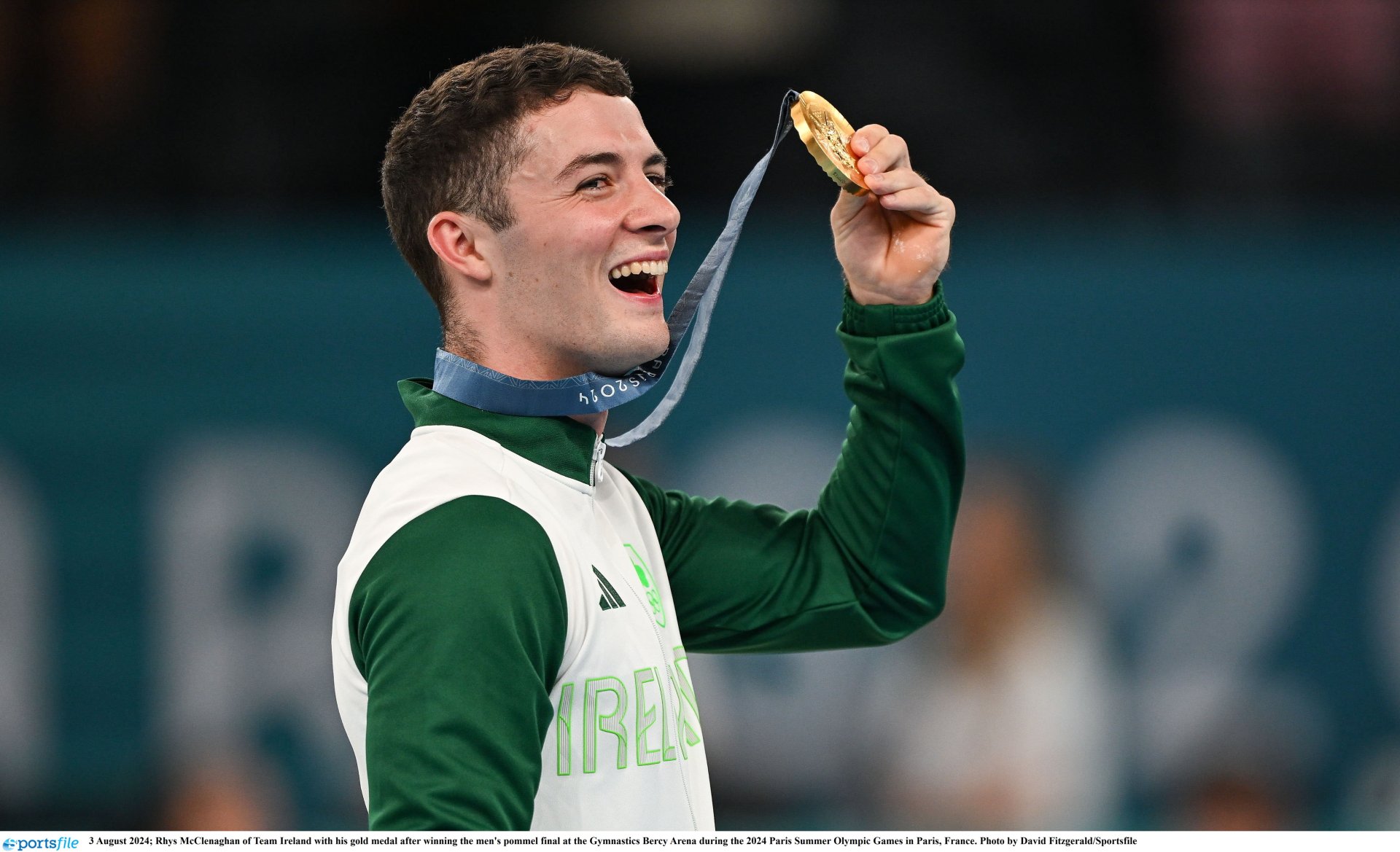
To witness its embodiment look no further than Ireland’s reigning and historic Olympic pommel champion Rhys McClenaghan. To keep its sport engaging and spectator-friendly, World Gymnastics makes changes to its competition rules every four years and their most recent adjustments have had significant consequences for Ireland’s king of spin.
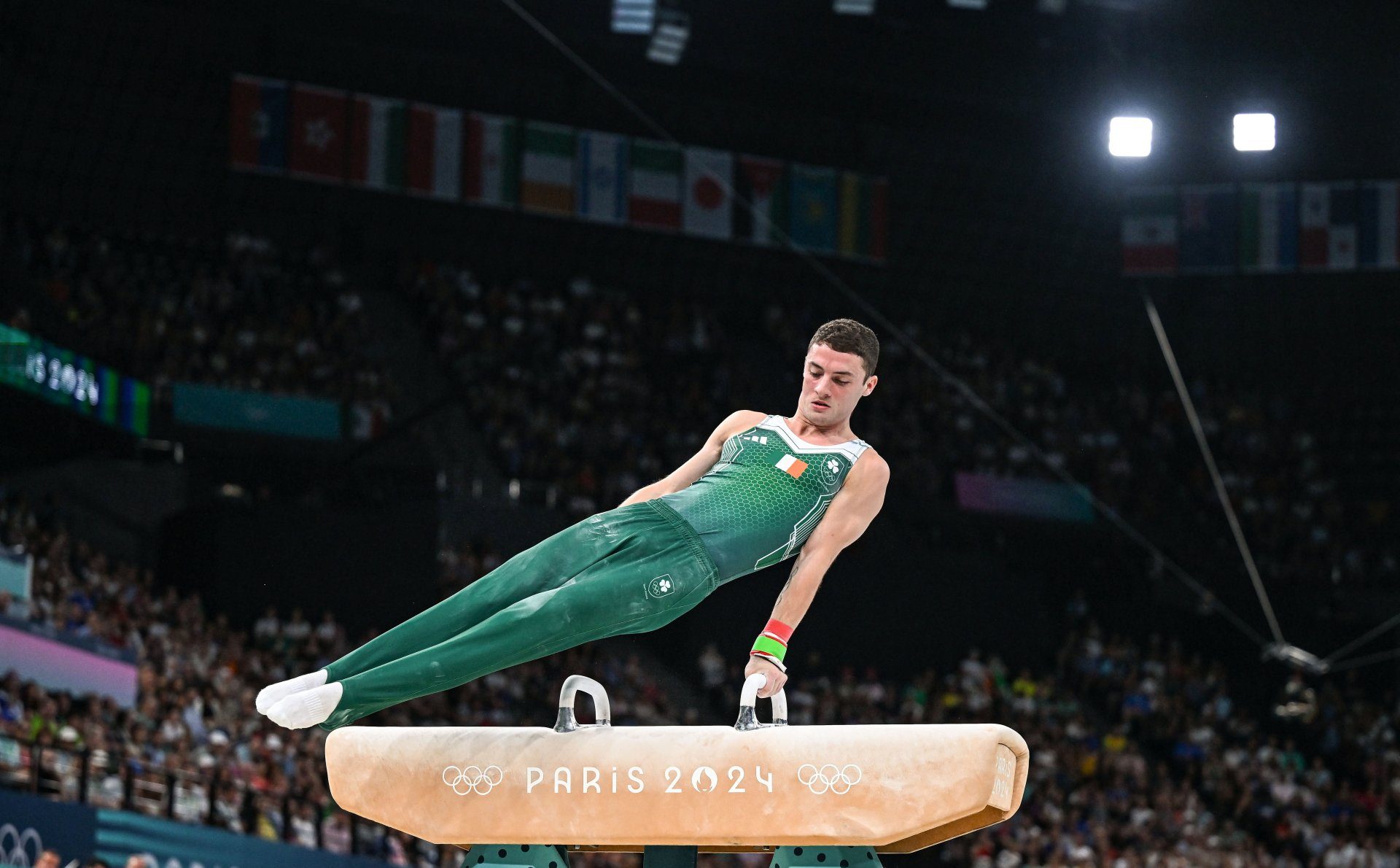
McClenaghan believes his “superpower” is his ability to stay calm and reproduce relatively flawless routines in the white-hot heat of ‘majors.’ But another of his strengths is his endurance and that advantage has now been lessened thanks to a rule change which has shortened senior pommel routines by reducing the number of key elements in them from 10 to eight.
“I had an edge before by having two really difficult skills towards the end of my routine, whereas other people would have filled those extra two skills with easier ones,”
he explains.
“In junior gymnastics it’s always been eight skills, so we’re already seeing a bunch of junior gymnasts making an easy transition into the senior ranks. The (last) European podium was all 18 and 19 year-olds.”
The 26-year-old’s handstand mount was another point of superiority for the County Down superstar but that advantage has also been lost since he was crowned Olympic champion in Paris.
“I would have been doing that skill better than anyone in the world but you’re not allowed to switch your hands at the top anymore, and you have to come down out of it a particular way,”
he clarifies.
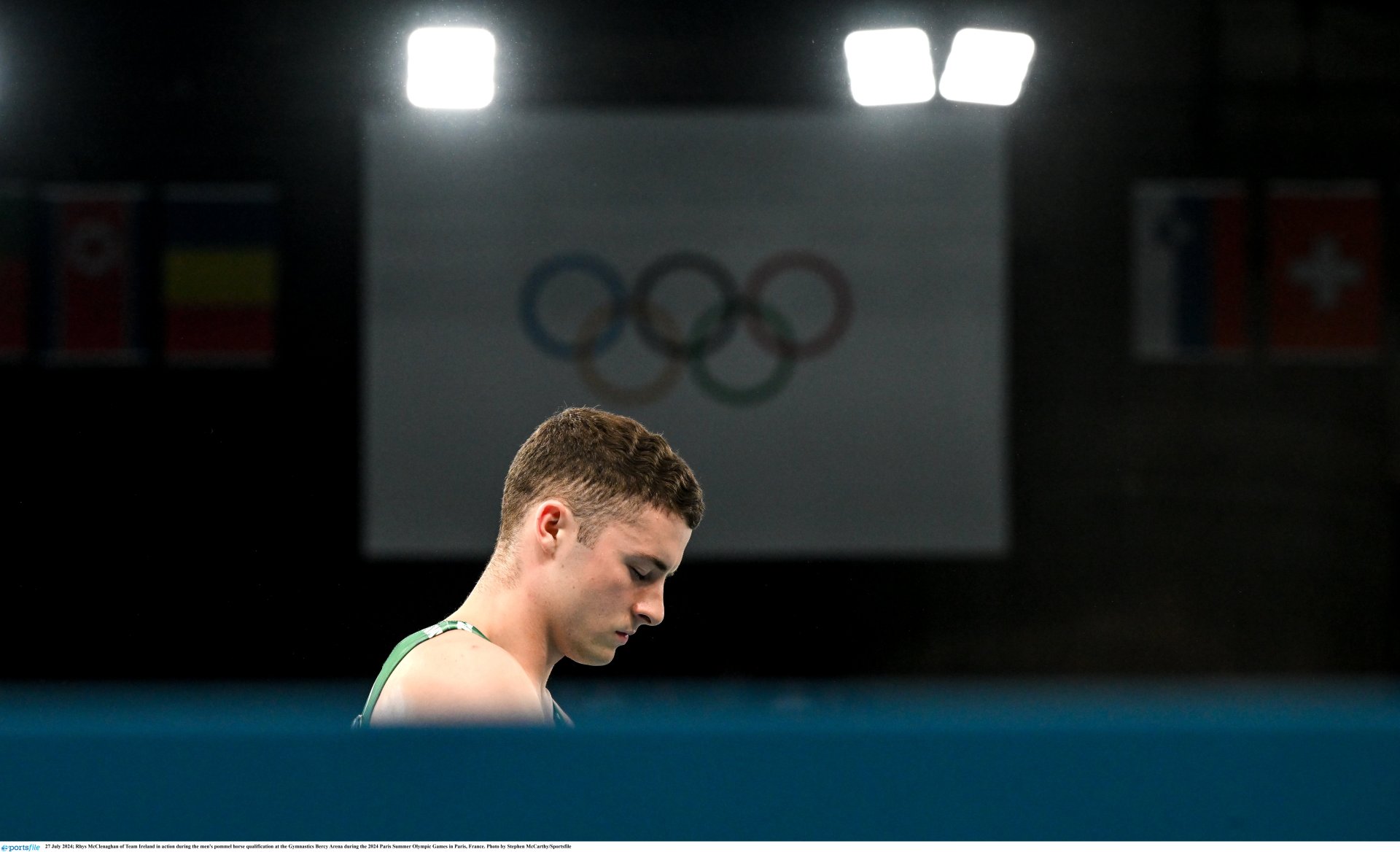
Yet the double World and three-time European champion’s reaction to these rule changes gives massive insight into his positive mental attitude.
“I love rules, I really do!”
he smiles.
“A lot of people in the gymnastics community will dispute rules or not agree with them but I just kind of roll with it.
“I could very easily sit back now and be like ‘they took out the mount that I done the best in the world, this is ridiculous!’ but my approach is never that victim mentality or accepting any excuse.
“I’m like ‘the rules have changed, let’s adapt. Let’s learn this entirely new skill and do it the best in the world now’. It’s a new challenge so you just have to adapt.”
That growth mindset is equally evident in McClenaghan’s reaction to his long-awaited return to elite competition this Spring, his first since Paris 2024.
“It was always going to be a challenge coming back when you added the shoulder surgery (last July) to multiple other injuries. The goal of those World Cups was to get back into competition, to inspire and motivate me again. You want to see your rivals in front of your face, get to see how they’re training and how they looked and they looked damn good,”
he grins.
“That was awesome because I felt that fire in my belly again, that it was time to knuckle down here and take these guys on again.” Yet he valued it for something even more important.
He topped the podium in the second of three consecutive World Cups but he regarded the third, in Oskijek (Croatia) in April, where he made mistakes and didn’t make the final, as the most useful. In a sport where miniscule changes in body position and flow are so elemental, high-stakes competition puts the most powerful magnifying glass to your technique and timing. The pressure of elite competition amplifies any tiny errors that are being overlooked in training, and, in this instance, highlighted a subtle but problematic pike of McClenaghan’s hips in one transition phase.
“When you do three back-to-back competitions like that you see patterns emerge,”
he elaborates.
“After the third World Cup I didn’t even check the score, I walked straight into the training hall, sat down in front of the pommel and started to think ‘what is going on here, what do I need to change?’ That moment in itself was so valuable.
“There’s so many aspects to this comeback. After shoulder surgery I was coming back from a whole year of not training like I usually had, so my body was making these adaptations after not being under the same level of stress and intensity. I was struggling with that for the first quarter of the year. My wrists and elbows were really painful and that’s why I wasn’t doing great at those World Cups.
“I feel like my body’s adapting a lot better at the minute. It’s like I’ve pushed through those aches and pain. I feel more like myself on the pommel horse now and can put my whole attention into all of my techniques and execution.”
That kind of candour sets McClenaghan apart.
Some athletes believe that betraying any weakness will empower their opponents so they rarely lift back the curtain. His willingness to share his struggles – his social media is full of his falls and errors in training – demonstrates a completely different mindset.
“I fail more than I succeed in training so it would be completely dishonest of me to share only successful attempts because the majority of the time I’m messing up. That’s a true reflection of the sport because, most of the time in gymnastics, especially in training, you’re going to fail.
“It would be a disservice to anybody watching to only see successful attempts because that’s just not what’s happening. Of course I want to show my best work. Like anyone I want to show off what I’ve been working on, but also show the process that’s got me there.
“Any gymnasts watching, they know already, because all of them have fallen the same way and, to people outside of the sport, I hope it’s interesting, that they can see it’s crazy how my hand suddenly just slips off the pommel, out of nowhere, and that they can understand the margins and risks that we’re working with to get a skill we’re happy with.”
He returns to a busy schedule, with Commonwealth Games (Glasgow, July 23-August 2) and European Championships (Zagreb, August 13-16) before the World Championships in Rotterdam in October. There is no doubt McClenaghan’s success and hyper-focus in training is already inspiring everyone in Irish gymnastics, not least his MAG (men’s artistic gymnastics) teammates. When he won the World Cup in Turkey on St Patrick’s weekend he was joined on the pommel podium by third-placed Dublin teenager James Hickey and fellow Ulster gymnast Eamon Montgomery took second in the floor competition. Three Irish men winning medals at a World Cup was unprecedented.
“We were actually the highest ranked country at that World Cup in Antalya! I think that’s incredible and something that maybe flew under the radar. What we collectively achieve in gymnastics in Ireland now is just such a promising thing for young gymnasts to see, as well as getting everybody a little bit excited and hyped around our sport.”